Thinking about a beach place you can reach in a couple of hours from the D.C. area? If you want sand, boating, and a laid‑back boardwalk scene without a long drive, Colonial Beach might be on your shortlist. You may be weighing price, rental potential, and the realities of owning near the water. In this guide, you’ll get a clear look at access, what you can buy, short‑term rental rules, seasonality, and key risks so you can decide with confidence. Let’s dive in.
Where Colonial Beach fits for D.C. buyers
Quick location snapshot
Colonial Beach is a small river and beach town on the Potomac River in Westmoreland County, Virginia. It sits on the Northern Neck peninsula with a compact downtown, boardwalk, public beach, and multiple marinas. The town promotes visitor amenities and waterfront access on its official tourism page, which offers a good overview of things to do and see in town. You can browse the town’s summary on the Colonial Beach visitors and tourism page.
Scale and character
Population is small at roughly 3,500 to 4,000 residents, which supports a tourism‑driven market rather than a large employment center. You can view a municipal population snapshot on CityPopulation’s Colonial Beach page. This small scale shapes both the home inventory you will see and the seasonal rhythm of activity.
Drive time from the D.C. area
From much of Washington, Arlington, or Alexandria, the drive is about 60 to 70 miles. Typical travel time runs about 1.25 to 1.75 hours depending on traffic and exact starting point. Summer holiday weekends can push that longer, so plan accordingly. For a quick planning reference, check the Washington, DC to Colonial Beach driving time route.
What you can buy
Home types you will see
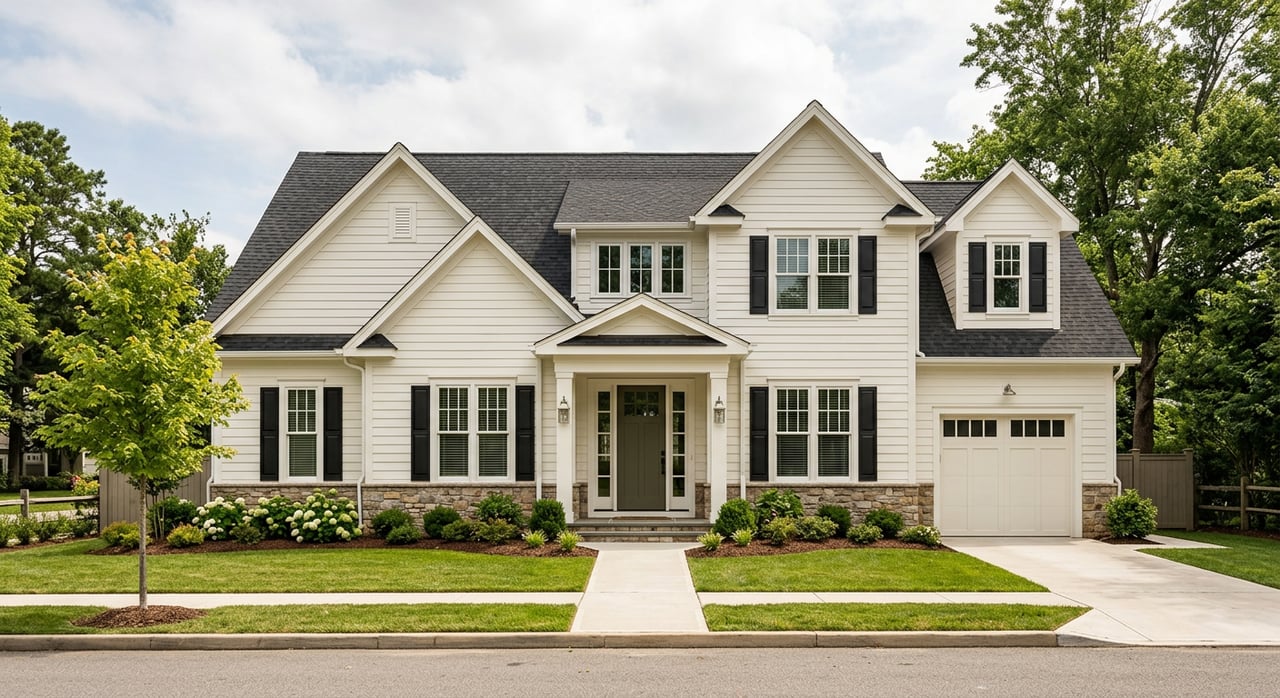
Inventory in Colonial Beach reflects its beach‑town roots and second‑home demand. Expect small historic cottages and one to two‑story bungalows near the boardwalk and core streets. Waterfront homes appear on Monroe Bay and nearby creeks, some with private piers or access to community marinas. You will also see low‑rise condo units and newer single‑story builds in neighborhoods such as Westmoreland Shores and Classic Shores, alongside a few mixed commercial and residential buildings downtown. Finishes run from modest and original to updated or fully renovated, with many homes tailored to weekend living.
Price range today
As of Dec 2025 to Jan 2026, market snapshots cluster in the low to mid $300,000s. Recent reporting shows a median listing price around $350,000, a median sale price near $340,000, and a typical home value around $316,645. In practical terms, many non‑waterfront cottages and single‑family homes fall roughly in the $200,000 to $450,000 band, with waterfront or heavily renovated homes priced higher based on lot, dock, and lift. Inventory and monthly sales counts are modest, so pricing can look lumpy month to month. If you are comparing blocks or waterfront positions, ask for hyper‑local comps to get a clear picture.
Short‑term rental potential and rules
Demand at a glance
Colonial Beach sees clear seasonality, with summer months driving peak bookings and higher nightly rates. Modeled market data shows an average daily rate around $234, occupancy near 44 percent, and estimated annual revenue around $22,400 per active listing on average. These are market‑level estimates that vary by property size, waterfront status, and pricing strategy. For a quick market pulse, see AirDNA’s Colonial Beach overview.
What this means for you: larger waterfront homes often command higher weekly rates in peak season, while smaller one to two bedroom cottages can be easier to keep occupied in shoulder and off‑season at lower prices.
Permit and compliance must‑knows
The Town of Colonial Beach permits short‑term rentals, but you must register and comply with local rules before operating. Key points from the town’s STR application and zoning ordinance:
- You need an annual STR zoning permit and a Town business license. Permits are valid from May 1 through April 30.
- The application currently lists a $50 annual zoning permit fee. Check the latest form to confirm.
- You must provide an on‑site parking layout and name a local operator designee who can respond within one hour.
- Occupancy is calculated as two persons per bedroom plus two.
Review the details and application steps on the Town’s STR permit application. The Town also levies a 5.0 percent Transient Occupancy tax on short‑term stays, which operators must collect and remit. You can confirm that tax in the Town’s adopted budget materials on the FY26 adopted budget page.
Compliance note: plan for permit fees, business license costs, tax collection and remittance, parking and occupancy checks, and a local contact who can respond quickly. If a property is on septic rather than public sewer, be prepared to provide septic capacity documentation, which can limit your permitted occupancy.
Lifestyle and amenities
Peak season vibe
Summer is the busiest period, with beaches, boating, live music, and holiday weekends drawing visitors. May and September often bring a more relaxed shoulder‑season rhythm while still supporting weekend demand. For a quick snapshot of attractions and events, the town summarizes beaches, a municipal fishing pier, and visitor services on the Colonial Beach visitors and tourism page.
Boating and water access
Colonial Beach is a riverside boating town, with multiple marinas and slips used by Potomac and Chesapeake corridor boaters. Waterfront lots with private piers or close marina access can significantly elevate your day‑to‑day experience and your rental pricing. Keep in mind that waterfront ownership brings responsibilities like pier and bulkhead maintenance and potential permitting for improvements or repairs.
Everyday conveniences
You will find restaurants, tiki bars, and small shops in town, but this is not a large urban center. If you need specialty healthcare, hospital systems, or big‑box retail, plan on driving to regional hubs. For remote work, many listings advertise broadband and Wi‑Fi, but speeds vary. Always confirm service levels with providers when marketing a work‑friendly rental.
Risks and due diligence
Flood risk and insurance
Areas along the Potomac and Monroe Bay have documented tidal and coastal flood vulnerability. Before you buy, pull the FEMA Flood Insurance Rate Map for the exact parcel and consider getting an elevation certificate if the home is in a Special Flood Hazard Area. If you finance with a federally backed loan and the home is in an SFHA, flood insurance will be required. You can review the background and mapping approach in the region’s FEMA Flood Insurance Study. Ask your lender and insurance broker to price both NFIP and private flood options for the specific address.
Septic and utilities
Many older coastal lots rely on septic rather than public sewer. The Town’s STR permit requires septic documentation where applicable, and septic capacity can cap your maximum occupancy. Verify public water and sewer status early in due diligence and pull Virginia Department of Health septic records if needed.
Waterfront upkeep costs
If you buy on the water, budget for long‑term capital items. Pier and bulkhead maintenance, erosion control, and dock permits are real cost drivers. If your property depends on a private channel, be aware of potential dredging needs and costs over time.
Property taxes and local levies
Confirm the exact real estate tax bill for any parcel with Westmoreland County’s treasurer or commissioner. Review combined rate components and ask how the totals apply to the address you are evaluating. If you plan to rent, also factor in the Town business license and Transient Occupancy tax. You can start with the county’s published FY 2024–25 property tax schedule and then verify figures for your specific property.
Is Colonial Beach a fit for you?
You may be a great match if you want a low‑stress beach or boating base close to Northern Virginia that you can enjoy on weekends and share with guests in summer. The price band is often more approachable than big‑ticket Chesapeake Bay resort towns, especially for modest cottages off the water. If you want a higher‑yield STR, focus on larger homes or waterfront lots and plan for compliance, flood insurance, and seasonal maintenance. If you prefer a quiet second home with occasional guest use, smaller cottages and condos can keep ownership simple while giving you access to the boardwalk and marinas.
Buyer checklist: start smart
Use this list to organize next steps for a Colonial Beach purchase:
- Confirm drive time from your home and test your preferred route in seasonal traffic. A quick route check is here: D.C. to Colonial Beach drive time.
- Pull the FEMA flood map for the exact address and ask for an elevation certificate if in or near a Special Flood Hazard Area. Review the regional approach in the FEMA Flood Insurance Study.
- Run a neighborhood‑level STR check, then validate with live listings. For a market snapshot, start with AirDNA’s Colonial Beach overview.
- Confirm HOA status and any HOA rules affecting rentals, parking, or use. Review Town STR rules for permits, parking layout, and occupancy. See the Town STR permit application.
- Estimate operating costs: county property tax, homeowners and flood insurance, utilities, Town permit and business license fees, cleaning and seasonal repairs. Begin with the Westmoreland County tax schedule and verify with the treasurer.
- If rental income is a key driver, interview at least one local property manager to estimate turn‑over timing, seasonal rates, and cleaning fees.
How Cat Brown helps
Buying a vacation home is more than a weekend dream. It is a set of decisions about budget, usage, and long‑term upkeep. You deserve clear guidance on price trends, flood and insurance implications, and the tradeoffs between waterfront and non‑waterfront options. With strong local knowledge across the Fredericksburg and King George corridor and a process‑driven approach, you get a responsive partner who can line up trusted vendors, navigate timelines, and negotiate terms that fit your goals.
If Colonial Beach is on your radar, let’s talk through your plans and map the steps from search to keys in hand. Reach out to Cat Brown to get started.
FAQs
How far is Colonial Beach from Washington, DC for weekend trips?
- Plan on roughly 1.25 to 1.75 hours for the 60 to 70 mile drive in typical conditions, with longer times on summer holiday weekends.
What are current home prices in Colonial Beach for vacation buyers?
- As of Dec 2025 to Jan 2026, many non‑waterfront homes fall around $200,000 to $450,000, with market snapshots near the low to mid $300,000s.
Can you operate a short‑term rental in Colonial Beach legally?
- Yes, but you must obtain an annual STR zoning permit and a Town business license, follow occupancy rules, provide parking details, and name a local designee.
What is the Transient Occupancy tax on short stays in Colonial Beach?
- The Town lists a 5.0 percent Transient Occupancy tax that STR operators must collect and remit as part of ongoing compliance.
When is peak rental season in Colonial Beach for STRs?
- Summer months drive the highest demand and rates, with May and September often serving as lighter shoulder seasons.
Do I need flood insurance for a waterfront home in Colonial Beach?
- If the property is in a Special Flood Hazard Area and you use a federally backed mortgage, flood insurance is required, and many owners choose to carry it regardless.
How do septic systems affect STR occupancy in Colonial Beach?
- If a home is on septic, documented capacity can limit the maximum occupancy allowed under the town’s STR permit rules.