If you only know Colonial Beach as a summer destination, you might miss what makes it appealing the rest of the year. This small river town has a clear seasonal pulse, but daily life here does not stop when vacation crowds thin out. If you are thinking about buying, selling, or relocating, it helps to understand what everyday routines really look like here. Let’s dive in.
Colonial Beach Beyond Summer
Colonial Beach has a year-round population of 3,542, and that number rises to around 8,000 in summer. That shift shapes the town’s rhythm in a very real way. You get a livelier waterfront in peak season and a quieter pace in the off-season, while still having access to core services, local events, and community amenities.
Location also plays a big role in daily life. Colonial Beach sits at the northern tip of Virginia’s Northern Neck, about 16 miles from the bridge into Maryland, 60 miles from Washington, DC, and 70 miles from Richmond. For many buyers, that means the town can offer a small-town setting without feeling fully cut off.
Daily Routines Feel More Local
One of the biggest surprises for newcomers is how much of daily life centers on the town itself. Colonial Beach is not just a place to visit for a weekend on the water. It has a compact core where errands, outings, and casual meetups often happen close to home.
The waterfront is divided into areas that serve different uses. North Beach is known as a quieter, more secluded area, while Downtown Boardwalk Beach is the more active hub with a bathhouse, watersports, swings, the Town Pier, shops, food trucks, and restaurants. Castlewood Beach adds a public boat launch, a dog park, and Castlewood Park.
That mix gives residents options depending on the day. You might spend one afternoon near the boardwalk and another in a calmer beach area. For buyers, that can make location within town feel especially important.
Getting Around Colonial Beach
Transportation in Colonial Beach has its own personality. This is a town where golf carts are part of everyday movement, but they are regulated by the town. Drivers need a valid license, carts cannot be driven on the beaches, and they cannot operate on State Route 205 except to cross at the designated McDonald’s crossing.
The town also requires golf carts to have safety equipment like lap belts, lights, and a slow-moving triangle. That tells you something useful about local life. Golf carts are not just novelty transportation here. They are a recognized part of how some residents get around town.
The free Osprey trolley also adds to that local convenience. On weekends, with added holiday service, it connects the boardwalk area, restaurants, shops, apartments, parks, and boat-related stops. For residents and visitors alike, it helps the town feel easier to navigate without always getting back in the car.
Colonial Beach is still largely a car-oriented town, especially for trips outside the immediate core. State Route 205 is the main route into town from Route 3, with access toward Maryland, Fredericksburg, and I-95. Bay Transit also offers a Colonial Beach-to-Fredericksburg deviated fixed route on Thursdays, which can be a useful supplement for some trips.
A Compact Core for Everyday Errands
Colonial Beach’s layout supports a more compact style of living than many buyers expect. Based on the town’s transportation setup, downtown parking pattern, trolley stops, and school walking zone, some daily errands can be done on foot, by golf cart, or by trolley. It is not a formal walkability score, but it does suggest a practical small-town routine for some households.
Parking is also managed with residents in mind. In the downtown area, residents with a town sticker can park free within town. For people who live near the core, that can make quick errands and waterfront outings easier to work into the day.
The Town Pier is another example of how public amenities support year-round living, not just tourism. According to the town FAQ, the pier is open 24/7 except on July 4, and fishing off the pier is free. Small details like that can matter when you are deciding whether a place fits your day-to-day lifestyle.
Services That Support Year-Round Living
A town does not need to be large to feel functional. Colonial Beach offers civic and family services that reflect its small scale but still support everyday needs. The Cooper branch library on Washington Avenue serves Colonial Beach and nearby Westmoreland County with programs, computers, wireless internet, and a meeting room.
Town council meetings are held in the town center next to the library, which reinforces how much community life is anchored in a compact area. That setup can make local government and public services feel more visible and accessible. For residents, that often adds to the sense of connection.
Colonial Beach Public Schools serves about 580 students across two schools. Its transportation information also identifies a walking zone for some students in the town center and waterfront area. If you are moving with children, that is one more clue that daily routines here may look a little different from life in a more spread-out suburb.
Dining and Community Life All Year
A lot of people assume small waterfront towns go quiet once peak travel season ends. In Colonial Beach, the pace may slow, but the calendar still stays active. The Chamber highlights recurring events throughout the year, including trivia nights, live music, game nights, and special deals.
The town’s 2nd Friday Artwalk runs from 6 to 9 p.m. and can partner with DORA events up to 16 times per year. That kind of recurring schedule helps create a steady social rhythm beyond major holidays or festival weekends. It also gives full-time residents more reasons to stay connected locally.
Dining options add to that sense of year-round activity. The official visitor guide lists a wide mix of places, including CB Brewing, Dockside, Drift, High Tides, Ice House, Orchid Thai, Ledo Pizza, and Wilkerson’s. The guide describes the food scene as including seafood, regional specialties, coffee, breweries, ethnic cuisine, and waterfront dining.
For a town of this size, that variety stands out. It suggests that even outside vacation season, residents still have a meaningful mix of casual and social dining options close by.
Seasonal Energy Still Matters
Even though this article focuses on everyday life, the seasonal side of Colonial Beach is still part of its identity. Summer brings more visitors, more activity, and a bigger population surge. That can be a positive for homeowners who value energy, events, and a lively waterfront atmosphere.
The Potomac River Festival is a strong example of that seasonal appeal. It is a multi-day summer event built around parades, fireworks, food and craft vendors, family activities, and waterfront celebration. Events like this help reinforce the town’s distinct character and give both residents and visitors shared traditions.
For buyers, this means you should think about how much seasonal activity fits your lifestyle. For sellers, it means the town’s rhythm and personality can be a meaningful part of how a home is presented to the market.
Housing Character Buyers Notice
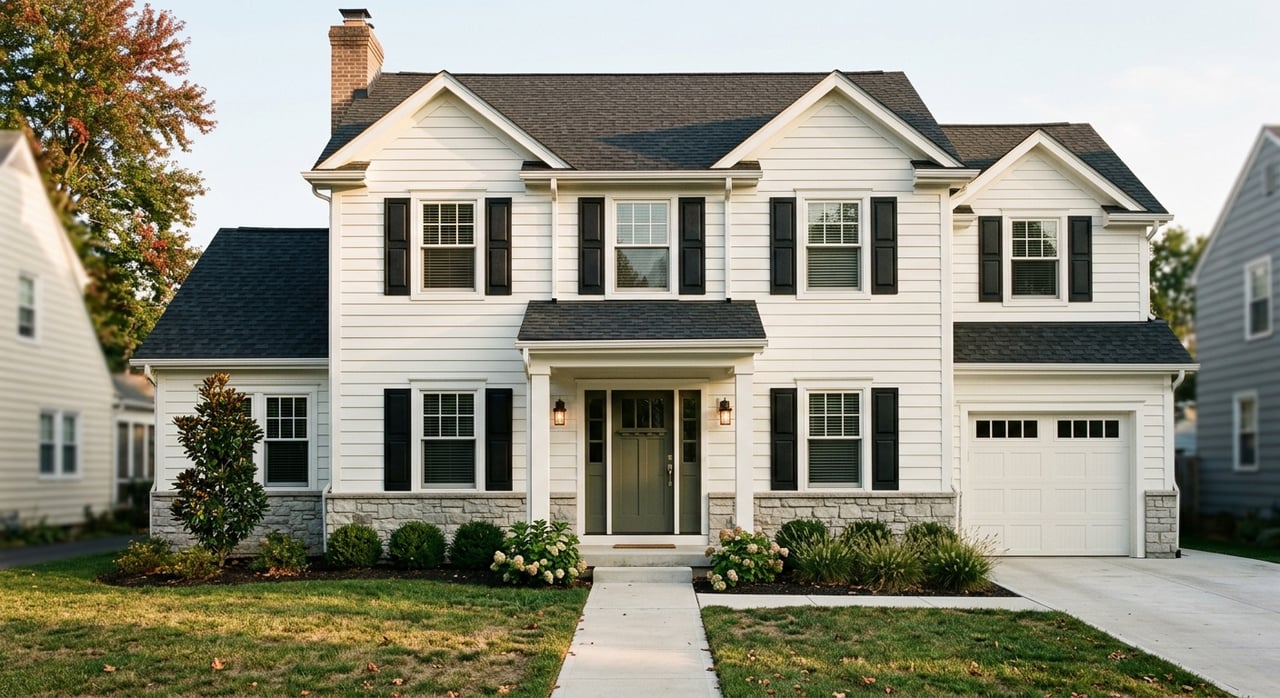
Colonial Beach has a housing pattern that feels different from many newer suburban communities. According to the comprehensive plan, residential development is primarily single-family detached, with smaller homes and cottages on compact lots in the central area. There is also some isolated higher-density development scattered through town.
That variety helps explain why the market can feel part cottage town, part waterfront community, and part infill neighborhood. If you are buying, it is worth paying attention to how each area of town fits your goals for space, convenience, and proximity to the waterfront. In a place like Colonial Beach, block-by-block differences can matter.
The town’s historic setting also shapes housing appeal. Colonial Beach was incorporated in 1892, and the Colonial Beach Commercial Historic District includes 81 contributing buildings dating from roughly 1875 to 1970. Landmarks like the Bell House and Dennison Street Inn add to the town’s layered historic character.
That personality can influence how homes are perceived. Buyers may value not only square footage and lot size, but also the feel of the surrounding streetscape and the home’s place within the town’s older fabric. Sellers can benefit from understanding that buyers are often responding to both the property and the setting.
What This Means for Buyers
If you are considering Colonial Beach as more than a vacation stop, the key question is whether its day-to-day pace fits your life. You may find that the compact core, public waterfront amenities, golf-cart culture, and year-round event calendar create a lifestyle that feels more connected and flexible than expected. That can be especially appealing if you want a small-town setting with local personality.
It is also smart to think through practical details. Your routine may depend on where you work, how often you drive outside town, and whether you want to be close to the boardwalk, a quieter beach area, or a residential pocket with more distance from seasonal activity. In Colonial Beach, location can shape your experience in a very direct way.
What This Means for Sellers
If you are selling in Colonial Beach, buyers often need help understanding the town beyond its summer image. A listing should do more than mention the beach. It should show how the home connects to everyday living, whether that means access to the compact downtown core, proximity to the pier, golf-cart convenience, or the appeal of a quieter residential setting.
This is where local context matters. Colonial Beach has a distinct rhythm, and the strongest marketing helps buyers picture themselves living there year-round. When that story is clear, the town’s character becomes a selling advantage rather than just a backdrop.
If you are planning a move in Colonial Beach or anywhere in the surrounding region, working with a local advisor can make it easier to evaluate not just the home, but the lifestyle that comes with it. When you are ready for thoughtful guidance on buying or selling, connect with Cat Brown.
FAQs
What is everyday life like in Colonial Beach, Virginia?
- Everyday life in Colonial Beach blends a small-town pace with public waterfront amenities, local dining, community events, and a compact town core that supports year-round living.
Is Colonial Beach only busy during summer?
- No. The town becomes much busier in summer, but it still has year-round services, restaurants, recurring events, civic spaces, and a local school system that support full-time residents.
How do people get around Colonial Beach?
- Most people rely on cars for regional travel, but within town, some residents also use golf carts, walk, or ride the free Osprey trolley on weekends and holidays.
Are golf carts allowed in Colonial Beach?
- Yes. Golf carts are allowed under town rules, but drivers need a valid license, carts cannot be driven on beaches, and they cannot operate on State Route 205 except at the designated crossing.
What types of homes are common in Colonial Beach?
- Colonial Beach is primarily made up of single-family detached homes, including smaller homes and cottages on compact lots in the central area, with some scattered higher-density development.
What should buyers consider about living in Colonial Beach year-round?
- Buyers should consider how close they want to be to the waterfront core, how often they commute outside town, and whether they prefer a livelier boardwalk area or a quieter residential setting.
What should sellers highlight about a Colonial Beach home?
- Sellers should highlight how the home fits everyday life in town, such as access to the waterfront, proximity to downtown amenities, golf-cart convenience, or the character of the surrounding neighborhood setting.